A bladder infection (cystitis) usually develops when gut bacteria such as E. coli travel up the urethra into the bladder. Women are particularly affected because of their shorter urethra – many experience several episodes in their lives. For mild, uncomplicated symptoms, natural measures can support healing and help prevent recurrences.
Recognising the symptoms
Typical are burning on urination, frequent and sudden urge with only small amounts of urine, and a feeling of pressure or cramping in the lower abdomen. The urine may smell cloudy. Such symptoms without fever point to an uncomplicated bladder infection.
Causes & risk factors
In about 80% of cases E. coli from the gut is the trigger. Contributing factors:
- Female anatomy (short urethra close to the anus)
- Sexual intercourse ("honeymoon cystitis")
- Emptying the bladder too rarely or incompletely
- Oestrogen deficiency during menopause
- Getting chilled, which weakens local defences
The most important step: drink plenty
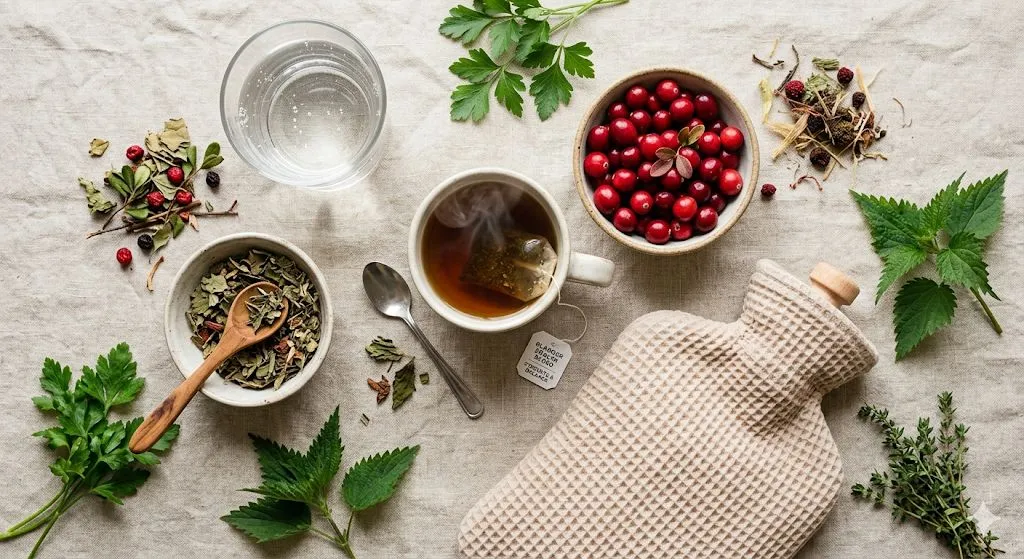
Drinking generously (about 2–2.5 litres of water or unsweetened herbal tea a day) flushes bacteria out of the bladder. Emptying the bladder frequently and completely – including after sex – shortens the time germs stay in contact with the lining.
Proven natural helpers
These remedies are popular for mild symptoms – each with its own detailed article:
- D-mannose – a simple sugar that binds E. coli so it can be flushed out.
- Cranberry (PACs) – makes it harder for bacteria to stick to the bladder wall.
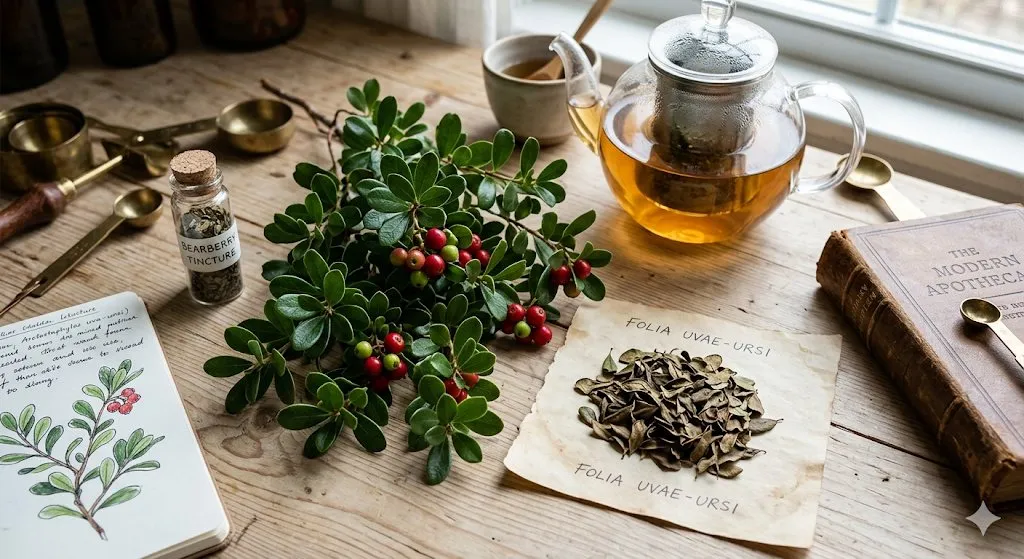
- Bearberry leaves (uva-ursi) – their arbutin acts as a urinary antibacterial (short-term only).
- Goldenrod – for gentle flushing of the urinary tract.
- Heat – a hot water bottle relaxes the bladder muscle and eases cramping.
Preventing recurrent infections
If you're often affected, you can act deliberately: urinate after sex, wipe front to back, empty the bladder fully and regularly, avoid getting chilled, and use D-mannose preventively. During menopause, a doctor-prescribed local oestrogen therapy can help.
Overactive bladder or infection?
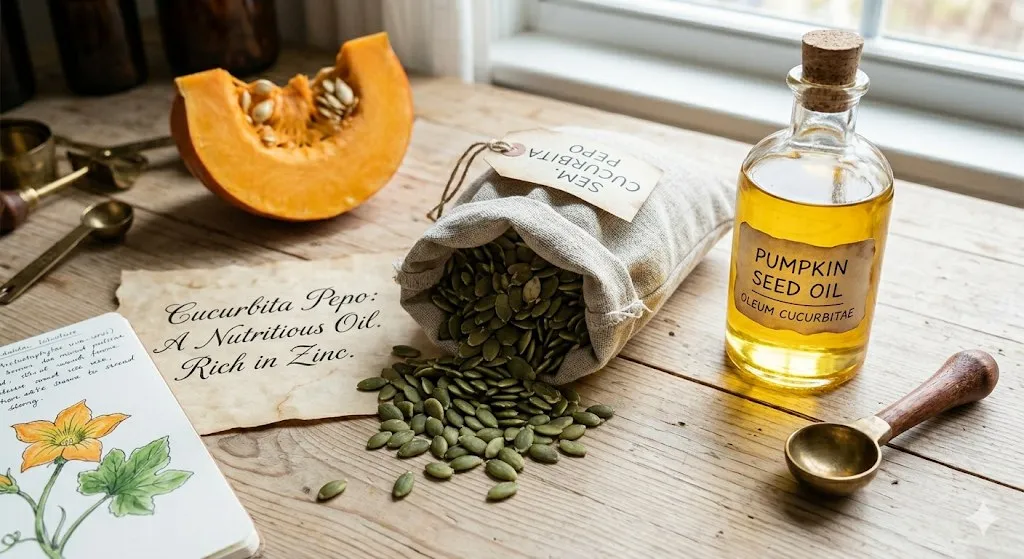
Not every urge is an infection. If urge and discomfort occur without bacteria, an overactive bladder may be behind it – then other measures like pumpkin seed and pelvic-floor training help. A simple urine test at the doctor's brings clarity.
Caution & when to see a doctor
Natural remedies suit mild, uncomplicated cases. With fever, flank pain, blood in the urine, pregnancy or symptoms in men and children, the infection needs prompt medical care – an antibiotic may be required to prevent a kidney infection.
Common myths
"Cranberry cures an acute infection." Cranberry and D-mannose are mainly for prevention; an established, stronger infection needs medical treatment.
"Antibiotics are always needed." Mild cases often clear on their own; the deciding factors are warning signs like fever and flank pain.
Frequently asked questions
How quickly does drinking more help? For mild irritation often within 1–2 days; if symptoms don't improve, see a doctor.
Can a bladder infection clear without antibiotics? Mild cases often resolve on their own; for stronger or persistent symptoms, medical advice is important.
What helps against constantly recurring infections? D-mannose prophylaxis, full bladder emptying, urinating after sex and – during menopause – possibly local oestrogen.
Cranberry juice or capsules? Concentrated capsules deliver the effective PACs without the high sugar of juices.
Why are women affected more often? The shorter urethra lies closer to the bowel opening, so bacteria reach the bladder more easily.
High-dose D-mannose and cranberry products can be found in our vetted recommendations below.