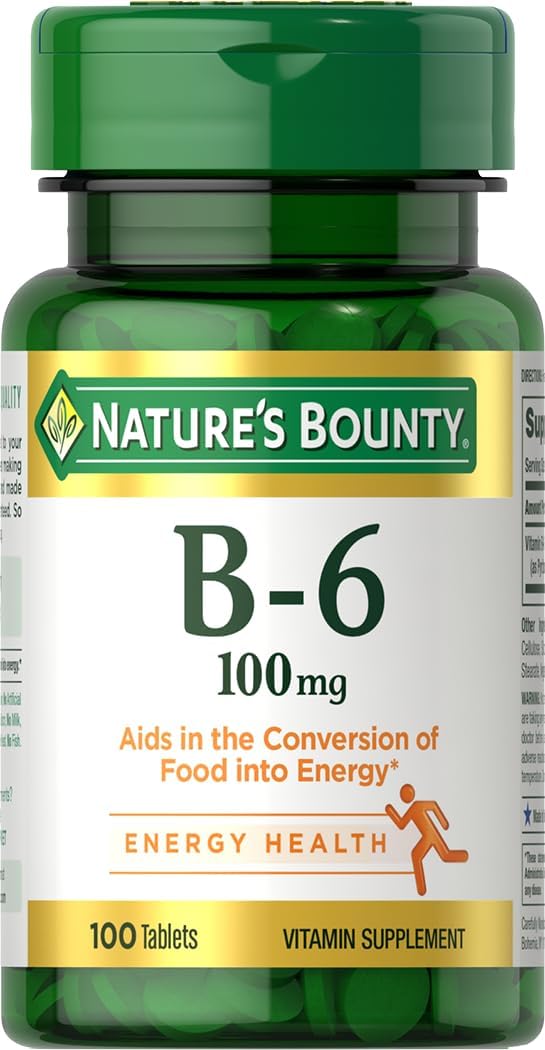
Vitamin B6 (pyridoxine) plays an often-overlooked role in kidney stone prevention. It directly influences how much oxalate the body produces.
The link between B6 and oxalate
B6 is a cofactor of an enzyme that curbs the body's own oxalate production. With B6 deficiency, oxalate formation rises – and so does the risk of calcium oxalate stones. Adequate B6 counteracts this.
How to use it
- Typical supplement dose: 25–100 mg per day
- Especially useful for recurring oxalate stones
- Often combined with magnesium
Caution & when to see a doctor
Very high B6 doses over long periods can cause nerve problems (neuropathy) – stay in the sensible range and clear long-term use with a doctor. With recurring stones, a stone analysis and medical strategy are important.
FAQ
How much is safe? Moderate doses (25–100 mg); hundreds of mg long term only under supervision.
Is B6 alone enough? Best as part of an overall strategy (fluids, citrate, diet).
You'll find vetted B6 products below.